
Heritage buildings are precious and irreplaceable. But in today’s market, they also need to be fit for the modern workplace — and for a net zero future. For owners and tenants alike, the benchmark is clear: NABERS Energy ratings are becoming the standard for government leasing and sustainability leadership.
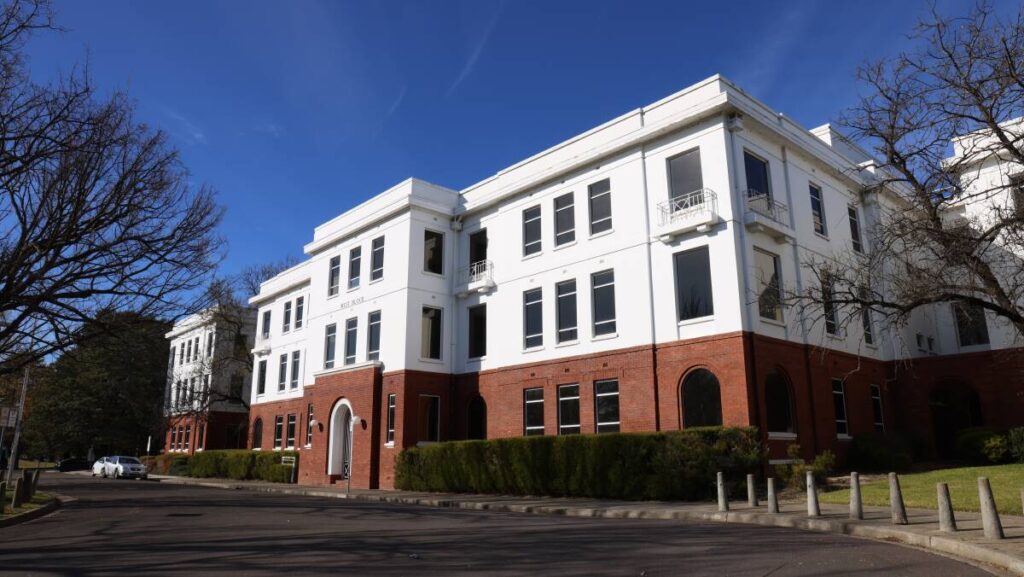
West Block in Canberra’s Parliamentary Triangle is a standout example. Built in 1927 and home to prime ministers, wartime communications staff, and federal agencies, this heritage-listed building has been reimagined as an A-Grade office space. In March 2022, its new owner, Oceana Property Partners, signed a NABERS Commitment Agreement targeting a 5 Star NABERS Energy base building rating. Early performance is now tracking towards 5.5 Stars, positioning West Block as one of the most efficient heritage office buildings in the country.
This achievement comes at a pivotal time. Under the Australian Government’s Net Zero in Government Operations Strategy, all new federal office leases above 1,000 m² will require a minimum 5.5 Star NABERS Energy rating from July 2025, with refurbishments following from July 2026. Owners who fail to meet these benchmarks risk losing access to government tenants and higher-value leases.
As part of the refurbishment, IES Automation delivered a site-wide Reliable Controls® BMS that integrates HVAC, demand control ventilation, and energy management. With IFDD™ fault detection and optimised plant sequencing, the system supports the building in operating efficiently while preserving its heritage character.
For owners and facility managers, the lesson is clear: heritage buildings don’t need to lag behind. With the right strategy, technology, and partners, they can set new benchmarks for sustainability while safeguarding their legacy. West Block shows how smart upgrades — supported by NABERS targets and careful system design — can turn compliance pressures into competitive advantage.